Media and Speaking
On-air analysis, comment, talks and briefings. Producers on deadline: use the request form.
On air for










Make a request
Use this form for interviews, talks and briefings. Mark it urgent if your deadline is today.
Recent interviews
How Arab Gulf states view Trump's Iran war plan NPR · · Radio
They lobbied quite hard against having this war take place in the first place.
Why is Andy Burnham giving military support to Saudi Arabia? Sky News ·
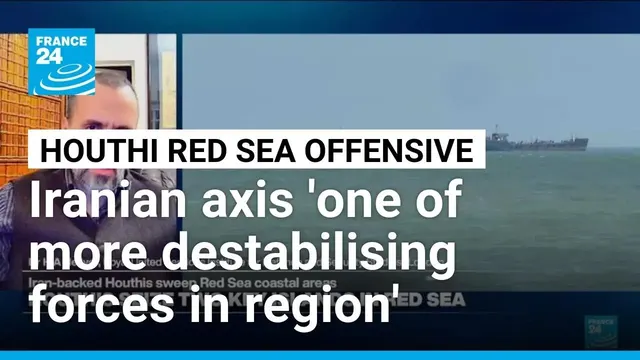
Why doesn’t the US intervene to defend Saudi Arabia against the Houthis? France 24 · · Video
New tensions in the Strait of Hormuz; the Houthis and the Gulf (transcript) CNN · · Television
the kingdom, as well as the Gulf more generally, has been aware that the Houthis were another card in the Iranian regime's toolbox
US-Iran talks: 'a new stalemate for the coming period' (transcript)CNN · · TelevisionI think that it's clear that these two countries are in a state of war with each other.
Strait of Hormuz will be under more Iranian control than before war CNBC · · Video
The US-Iran war in its fifth month and the shrinking off-rampCNN · · Television
Will the US and Iran war escalate? BBC · · Television
Both sides in this regard don’t want a return to full-scale war. They want to find another route instead. The problem is that they both have mutually, frankly contradictory aims.
The spectacle and symbolism of Khamenei's funeral Al Jazeera · · Video
Iran still reviewing US proposalsCNN · · Televisionthe gap between their negotiation stances is just really huge
The loss of a US fighter jet over Iran and the hunt for the crewAl Jazeera · · TelevisionIt's a very erratic time when we discuss policy at the American level as it's it really centred and centralised around very few people at the very top.
A State is not Built with Rhetoric Alone—with H.A. Hellyer: CR Amplified ep. 5 The Cairo Review of Global Affairs · · Radio
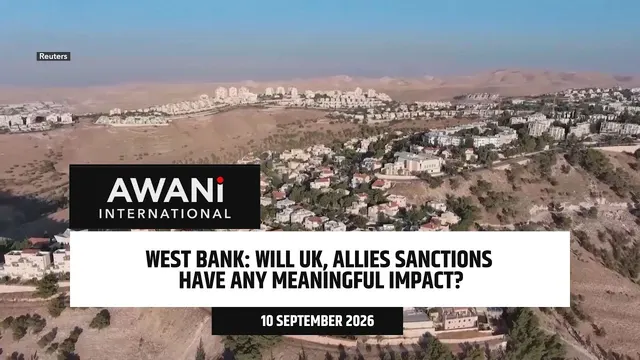 West Bank: Will UK and allies sanctions have any meaningful impact?AWANI International · 10 Sep 2026
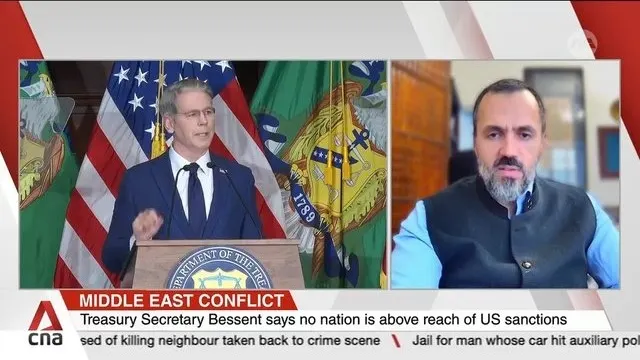
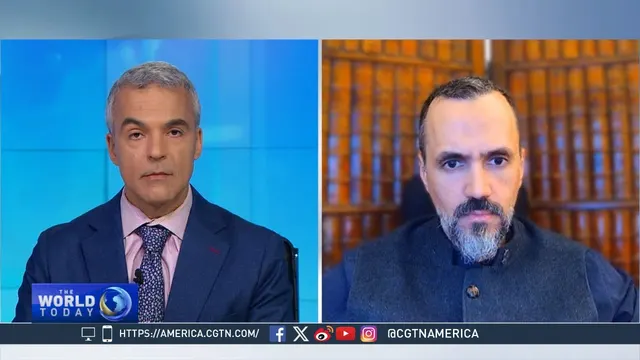

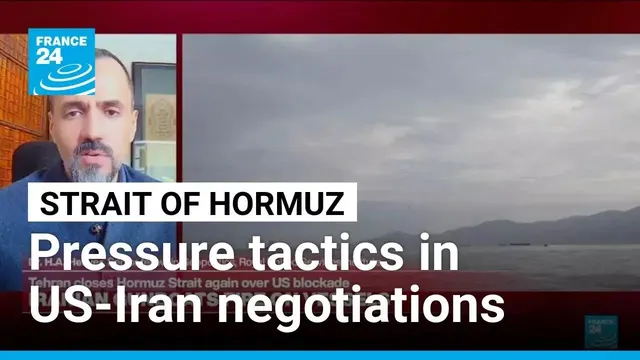
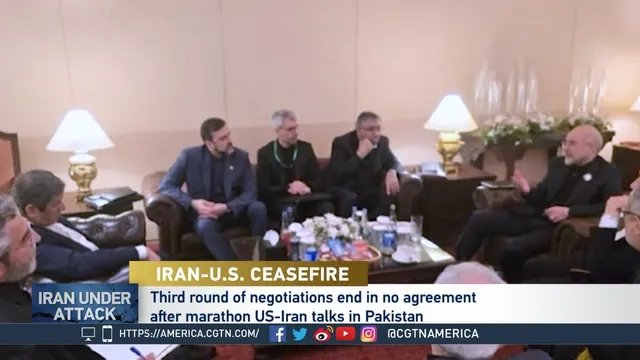
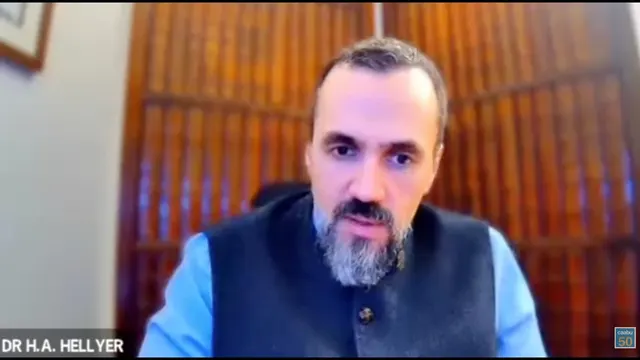
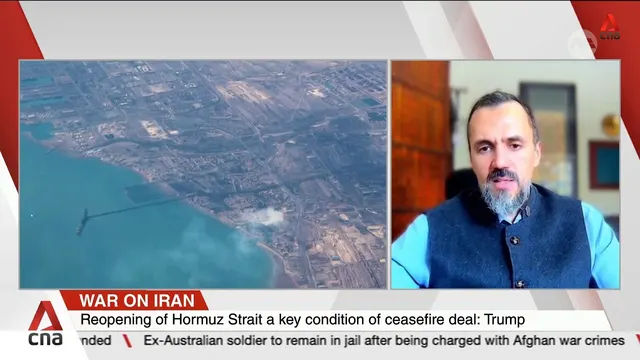
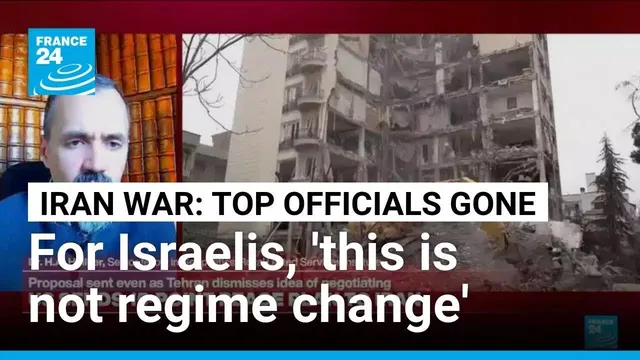
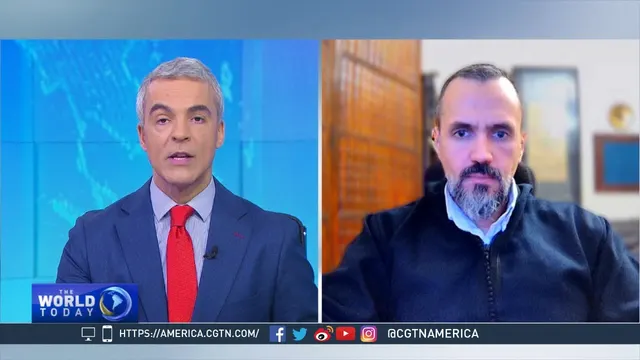
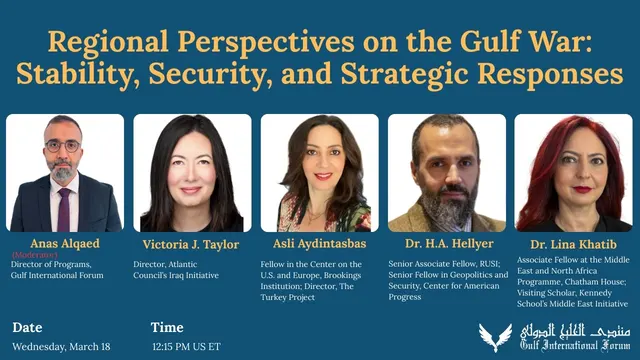
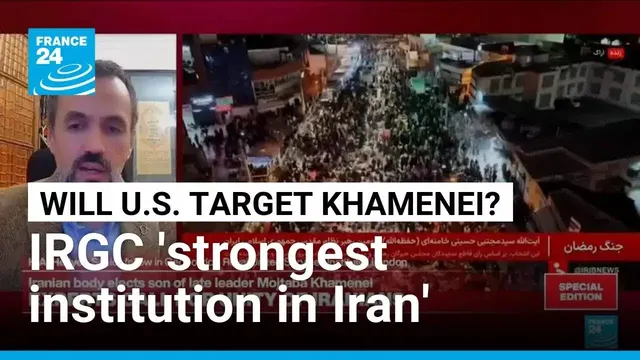
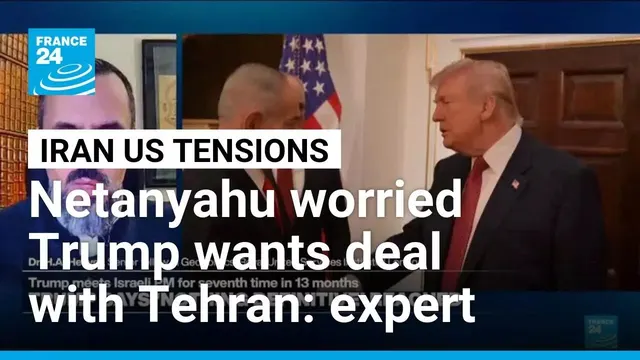
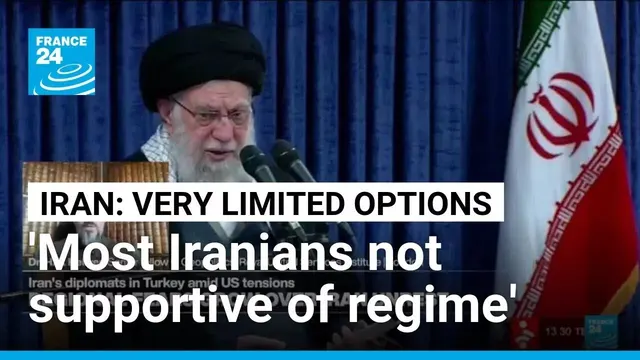
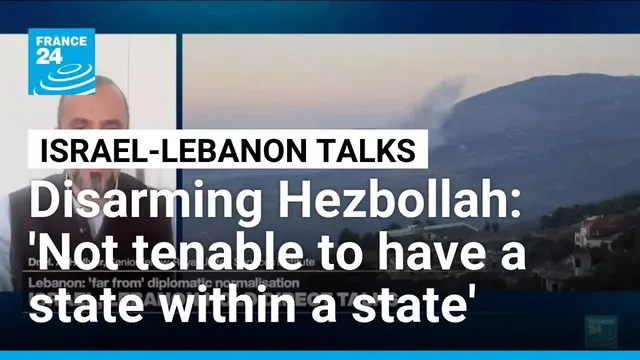
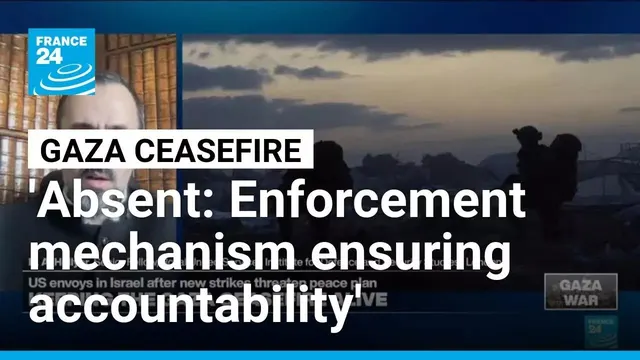
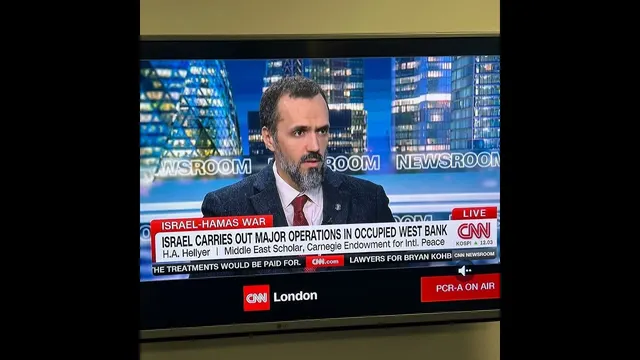
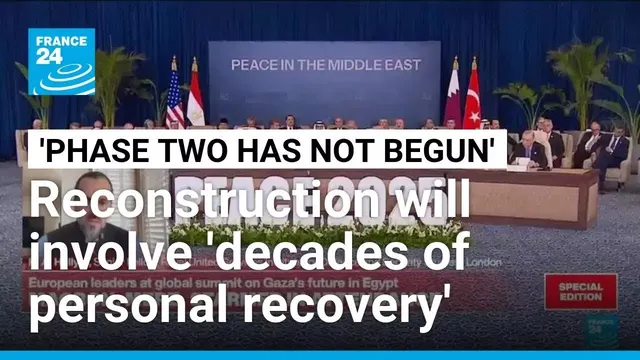
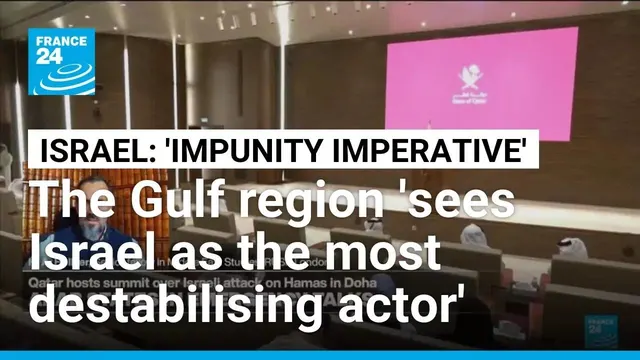
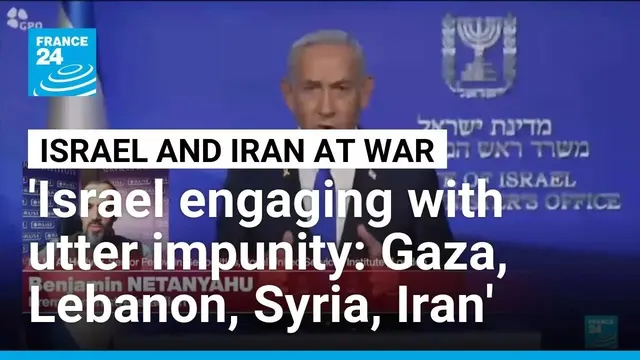
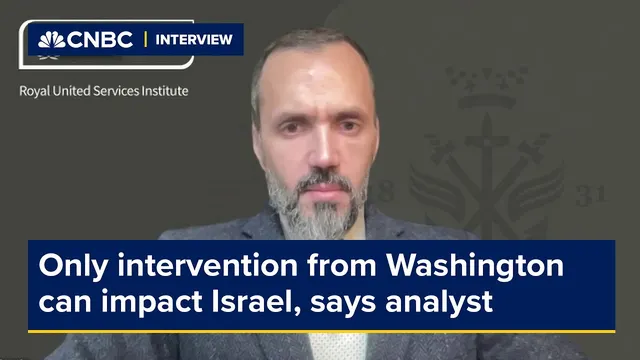
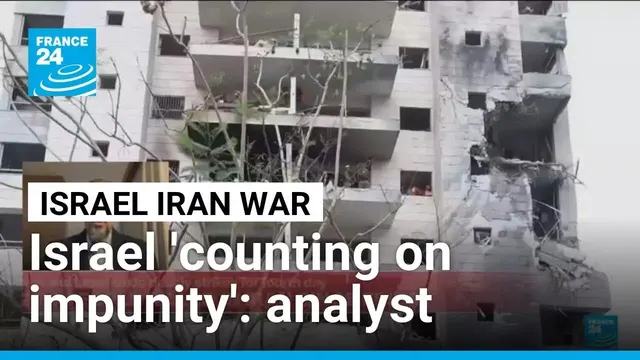 Israel counts on the reality that there won't be consequences from WashingtonFrance 24 · 16 Jun 2025
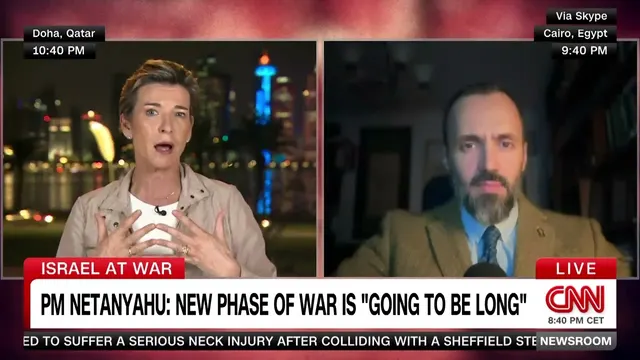
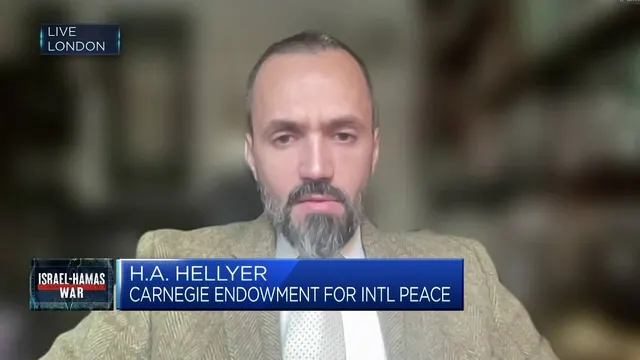
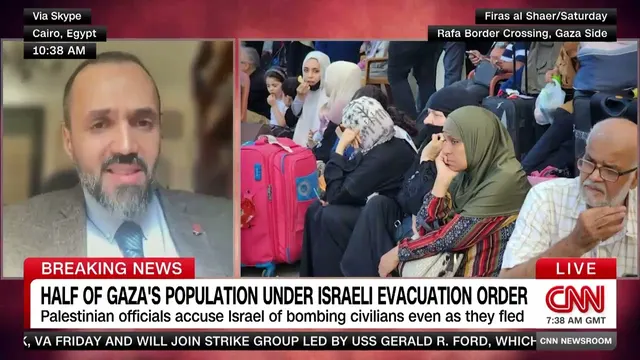
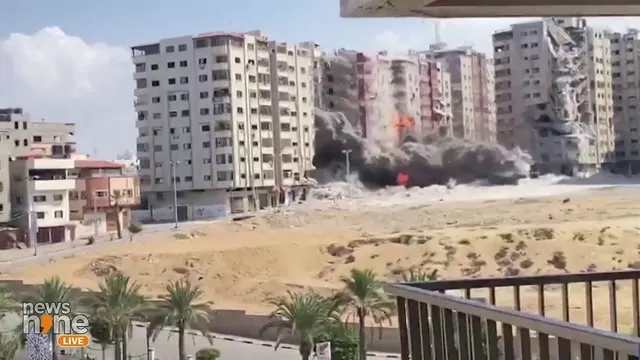

In the news
EU leaders to speak no evil of Israel, as Nobel prize recalls Gaza ‘genocide’ EUobserver · · Quoted
if the EU was serious about fulfilling its obligations under international law, or indeed in terms of its own stated values and policies, it would go much, much further [in terms of sanctions]…
Map of Middle East redrawn after October 7Al Jazeera · · QuotedBefore October 7, the US’s entire policy in the Middle East rested on normalising Israel’s presence in the region through its so-called Abraham Accords [...] Israel’s response to the October 7 attack ended that.
- Syria weighs military aid for Saudi Arabia amid Yemen war
Saudi crown prince seeks Egypt’s backing as Houthi attacks rattle Red Sea oil routes Associated Press · · Quoted
There’s genuine international consensus that the Houthis cannot be allowed to hold a choke point like Bab el-Mandeb hostage…
China’s Xi urges new Middle East security framework during Egypt visit Reuters · · Quoted
Egypt represents something quite valuable to Beijing – a large domestic market for investment opportunities, and a lot of diplomatic weight in the region, including the Palestine question, as well as connectivity to Africa…
- China’s Xi lands in Egypt as Iran war reshapes Middle East alliances
“Egypt sees itself as moving toward greater strategic autonomy,” Hellyer said. “It wants strong relations with Washington, but also Beijing, Moscow, and Europe.”
Six months of war between Iran, US leave Arab states facing tough questionsAl Jazeera · · QuotedIf everything were to theoretically stay the same … with just increased economic pressure, that could eventually cause a ripple effect that could lead to state collapse in Iran. But we’re talking years, not months, and everything is not likely to stay the same.
Iran's latest warning to the US signals the hardliners are just getting startedCNN · · QuotedThe regime has withstood the US/Israeli barrage and retaliation from the Gulf Arab states, and they are still standing. Now they seek to transform this resilience into permanent political advantage in the region as opposed to letting the initiative waste away over time.
‘Attack on one is attack on all’: Saudi Arabia, Türkiye and Pakistan sign Mecca defence pact Middle East Monitor · · Quoted
If Saudi were attacked by Iran tomorrow (entirely plausible), I doubt Riyadh would truly expect Ankara and Islamabad to treat it as an attack on them
'De-escalation': Europe hesitates as US pushes for Hormuz naval coalitionAl Jazeera · · QuotedNeither UK nor France has much appetite for being drawn into a confrontation with Iran on behalf of others, particularly if there is no clear regional demand for it…
Satellite imagery shows scope of Israeli wall in Gaza Newsweek · · Quoted
The significance is not subtle, and it should not be treated as such
- Thousands of Iranians reach Saudi Arabia for Hajj despite war
Saudi Arabia is trying to project an image of maturity, stability and statecraft: the actor behaving with composure while others escalate…
Egypt deploys jets to UAE as Iran war strains Arab alliances Financial Times · · Quoted
Abu Dhabi regards that they helped Egypt a lot over the past 15 years. So they expect backup on positions that they have on issues that they consider to be primarily Emirati in focus.
The UAE has been secretly carrying out attacks on Iran The Wall Street Journal · · Quoted
“The Emiratis made it clear early on that they didn’t want this war, but it’s also clear that since the first Iranian strikes on the U.A.E. took place, Abu Dhabi’s been quite transparent that they see the regional picture as having changed dramatically.” “Abu Dhabi hasn’t confirmed what they have targeted, or even if they have targeted, but from the early days of the war it seemed only a matter of time before we saw increased kinetic involvement of different Gulf states in the war.”
How the Strait of Hormuz will change Iran’s regimeFinancial Times · · QuotedWhen it comes to applying pressure, the Iranians have shown they can asymmetrically do so very effectively, very quickly, with relatively little military cost…
- Iran's military strategy against the US and Israel (BBC News Indonesia)
Bahkan gangguan terbatas di Selat itu bisa berdampak ekonomi global yang parah…
Iran's troubled regime cracks down hard as Trump ratchets up pressureCNN · · QuotedThere’s a lot of hollowing out, of course. There’s severe economic challenges, if not complete collapse. There’s a very broad protest coalition, of course, but it (the regime) is held together, and it’s held together by very cohesive and very coercive forces…
- What tracking data and satellites can tell us about the US military build-up in the Gulf
'The perception that Western media is lopsided in favour of Israel gave Sputnik and RT a boost' Reporters Without Borders (RSF) · · Quoted
Sputnik and RT don't operate in a media universe that is somehow a vacuum otherwise.
Can Trump put 'America first' and also make peace in the Middle East?Al Jazeera · · QuotedEverybody is calling it a ceasefire, but a ceasefire indicates that there is a commitment to not return to war. We do not have that at all as of yet…
- Hellyer quoted in Religion News Service on religious freedom
The new commission on ‘unalienable rights’ is simultaneously being cast as another step in the administration’s culture wars, … As such, I am not convinced this ministerial is going to deliver on any promises it may make.
Hellyer quoted in the Washington Post on Sudan The Washington Post · · Quoted
It is easy to see why autocrats, particularly because they are backed by such power, have the upper hand at the moment,” Hellyer said. “I am not sure that is a winning formula for the long term.
- Hellyer quoted in the Citizen on Sudan protests
Hellyer Quoted in the Guardian on Trump’s Middle East Peace Plan The Guardian · · Quoted
We’ve gone from a ‘land for peace’ formula addressing a decades-old occupation and siege to a ‘money for peace’ recipe for disaster
- Hellyer Quoted in the Times on Religion in the Middle East
Hellyer Quoted in Newsweek on Designating the Muslim Brotherhood as a Terrorist OrganizationNewsweek · · Quoted
Hellyer Quoted in Al-Monitor on Constitutional Referendum in Egypt Al-Monitor · · Quoted
The results are not surprising - even if the vote was monitored by the most assiduously careful set of national and international observers, the environment in which these amendments were voted on was hardly conducive to an informed choice
Hellyer Quoted in Reuters On ISIS Presence in EgyptReuters · · Quoted
Hellyer quoted in Al-Monitor on Egypt amending its controversial NGO lawAl-Monitor · · QuotedOn the contrary, I expect Trump will shower Sisi with praise — that has been the pattern thus far,” H.A. Hellyer, senior fellow at Atlantic Council and Royal United Services Institute in London, told Al-Monitor.
Hellyer Quoted in Washington Post on MBS and G20The Washington Post · · QuotedThe question is who among global leaders will agree to stand with him publicly,” said H.A. Hellyer, a senior fellow at the Atlantic Council and the Royal United Services Institute in London, to Agence France-Presse. “I suspect his appearances will be carefully staged to avoid embarrassment.
Hellyer Quoted in The Independent on Saudi Crown Prince’s Trip to G20 The Independent · · Quoted
The Saudi crown prince is going to be keen to make this trip as an expression of him having weathered the storm following the Khashoggi affair – but a real test of that is going to be whether or not world leaders will actually have their pictures taken with him, shaking his hand…
- Hellyer Quoted in AP on Saudi Prince Rebuilding Image After Khashoggi Murder
It’s really going to be about can you travel to the rest of Western capitals for the foreseeable future and expect to sort of shake people’s hands, and I’m not sure that that’s the case,” said H.A. Hellyer, a scholar at the Royal United Services Institute and Atlantic Council.
- Hellyer Quoted in AFP on Saudi Prosecutor Exonerating Crown Prince in Khashoggi Murder
Hellyer Quoted in Washington Post on Khashoggi KillingThe Washington Post · · Quoted
Hellyer Quoted in Business Insider on Turkey’s Response to the Khashoggi Killing Business Insider · · Quoted
Hellyer Quoted in AP on Saudi Writer’s DisappearanceAssociated Press · · QuotedTurkey is fully aware of the economic situation it finds itself in, and the problematic wider region it engages heavily in
Hellyer Quoted in Washington Post on Jamal Khashoggi’s DisappearanceThe Washington Post · · QuotedOne can only imagine that the Turks' expectations of what Riyadh is going to do have changed
Hellyer Quoted in The Guardian on Jamal KhashoggiThe Guardian · · QuotedIf it’s confirmed Riyadh is responsible for Khashoggi’s death, this could be their Crimea moment…
Hellyer Quoted in Washington post on Libyan Forces Capturing Egypt MilitantThe Washington Post · · QuotedThis would be a very big deal if true, … Al-Ashmawy’s profile in both Libya and Egypt has been substantial.
- Hellyer Quoted in Christian Science Monitor on Jordan Mosque
Post-independence, the state became the sole actor dominating every sector, there was no longer any room for civil society, particularly religious institutions…
Speaking
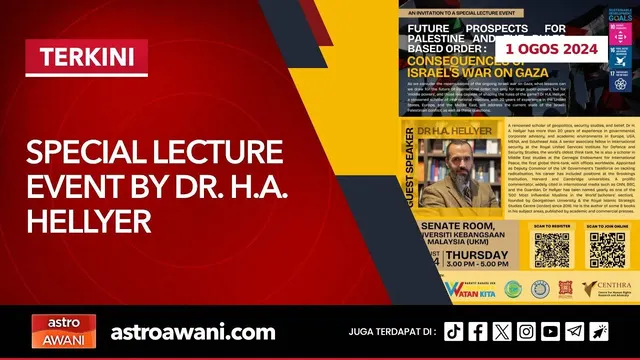
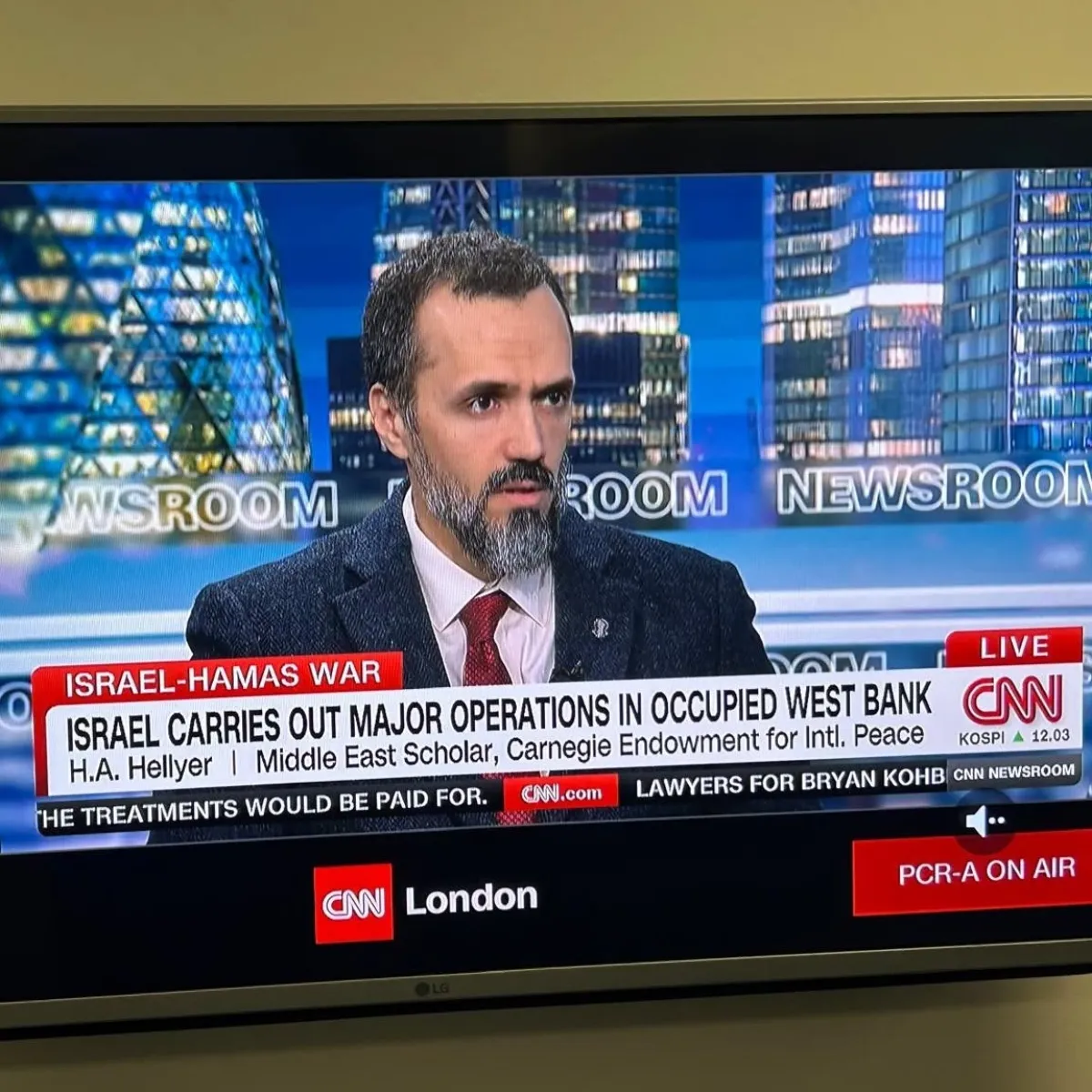
Keynotes, panels, lectures and private briefings, in person or virtual. Talks are drawn from the same work as the writing: regional order, political risk, energy and the Gulf.
- Location
- Include the event location or state that it is virtual.
- Lead time
- Include the proposed date and any booking deadline.
- Formats
- In person, virtual, or a private briefing for a smaller group
- Languages
- English and Arabic
Recent talks
- Israel’s election: What will it mean for neighbours and allies?
- Yemen at a Crossroads: Conflict, Fragmentation, and Regional Security
- The U.S.-Israeli War: Destabilizing Lebanon and the Broader Region
- Briefing on the ongoing wars in the Middle East
- The Geopolitics of the Middle East: A Region Under Reconfiguration
From the archive
- The Laws of Hegemony
- Turning the Page: Saudi Arabia’s New Diplomatic Approach
- Egypt Regains Its Role as a Middle East Power Broker
- Reflections on the Middle East, Islam, and Foreign Policy: An Interview with H.A. Hellyer
- Western Foreign Policy and the Dignity of the Arab World: Interview with Dr. H.A. Hellyer
- Interview – H.A. Hellyer
- Interviews with CNN Connect
…an academic’s rigour, a pollster’s precision, and a journalist’s compelling anecdotes…
Hellyer is just such a navigator: thoughtful, perceptive…
I’ve always trusted his analysis, non-partisan as it’s always been.
Topics
- Iran and Gulf securityThe Iran war, the Strait of Hormuz and the changing calculations of Gulf states.
- Israel, Gaza and the regionCeasefires, Palestinian statehood and the wider regional order.
- Egypt and the Arab worldState, society and power after the 2011 uprisings.
- Europe and transatlantic policyEuropean security, the far right and Europe’s place in a changing world.
- Southeast AsiaStrategic realignment among middle powers and links with the Gulf.
- Religion, society and securityRadicalisation, counter-terrorism policy and Muslim communities.
- Geoeconomics and political riskSanctions, energy, capital and how markets price regional change.